AML/KYT Research & Analysis

In recent years, the core challenges faced by Virtual Asset Service Providers (VASPs) in the Anti-Money Laundering (AML) domain have quietly shifted.
Over the past few years, Virtual Asset Service Providers (VASPs) have repeatedly been reminded that Anti-Money Laundering (AML) and Know Your Transaction (KYT) monitoring are not “compliance bonuses,” but the baseline for survival and continued operation. In 2025, several leading or well-known platforms were heavily fined for insufficient AML compliance:
With the rising popularity of OpenClaw, the AI Agent and Skills ecosystem is once again experiencing rapid growth within the developer community. More and more AI tools are now capable of directly calling APIs, executing automated tasks, and even participating in on-chain operations within Web3 scenarios.
Due to space limitations, this article only presents the key points from the analysis report. The full content can be downloaded via the PDF link at the end.
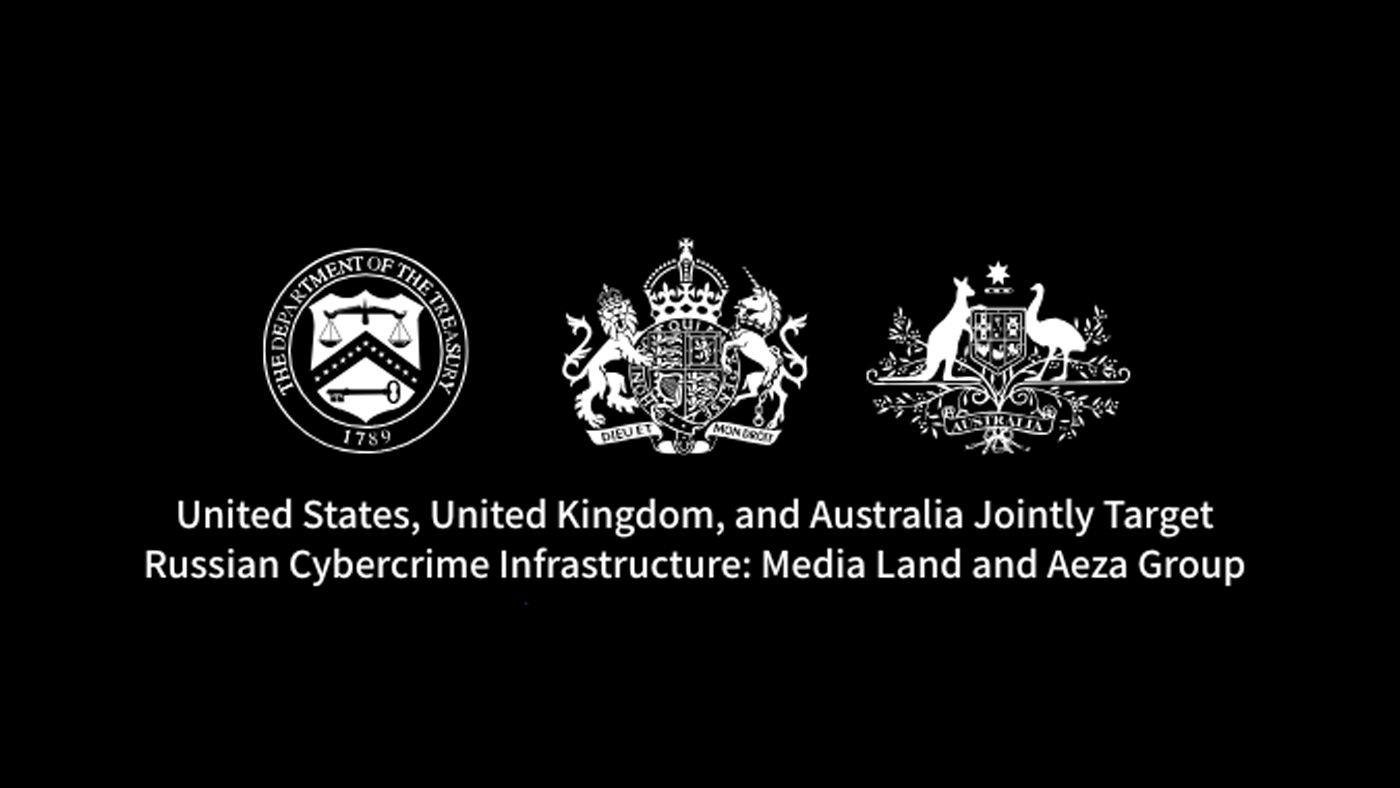
On November 19, 2025, the U.S. Department of the Treasury’s Office of Foreign Assets Control (OFAC), Australia’s Department of Foreign Affairs and Trade (DFAT), and the United Kingdom’s Foreign, Commonwealth & Development Office (FCDO) jointly announced a new round of sanctions against multiple Russia-based bulletproof hosting (BPH) providers and associated individuals, citing their support for cybercrime activities, including ransomware operations. The primary targets of this action include key leaders and affiliated entities of Media Land, as well as core members of Aeza Group and related shell companies.

On November 21, the HKICT Awards 2025 ceremony, organised by the Digital Policy Office of the Government of the Hong Kong Special Administrative Region, was grandly held at the Hong Kong Convention and Exhibition Centre. MistTrack, the blockchain AML tracing system developed by SlowMist, won the FinTech Award (Regtech: Regulatory & Risk Management) Gold Award.
On October 14, 2025, the U.S. Department of the Treasury’s Office of Foreign Assets Control (OFAC), the Financial Crimes Enforcement Network (FinCEN), and the U.K. Foreign, Commonwealth & Development Office (FCDO) take the largest-ever joint sanctions action against cybercriminal networks operating in Southeast Asia. The operation sanctioned 146 individuals and entities linked to the Prince Group Transnational Criminal Organization (Prince Group TCO) and announced the seizure of 127,271 BTC — worth approximately $15 billion USD — associated with the group. At the same time, FinCEN designated Cambodia-based Huione Group as a primary money laundering concern, effectively cutting it off from the U.S. financial system.
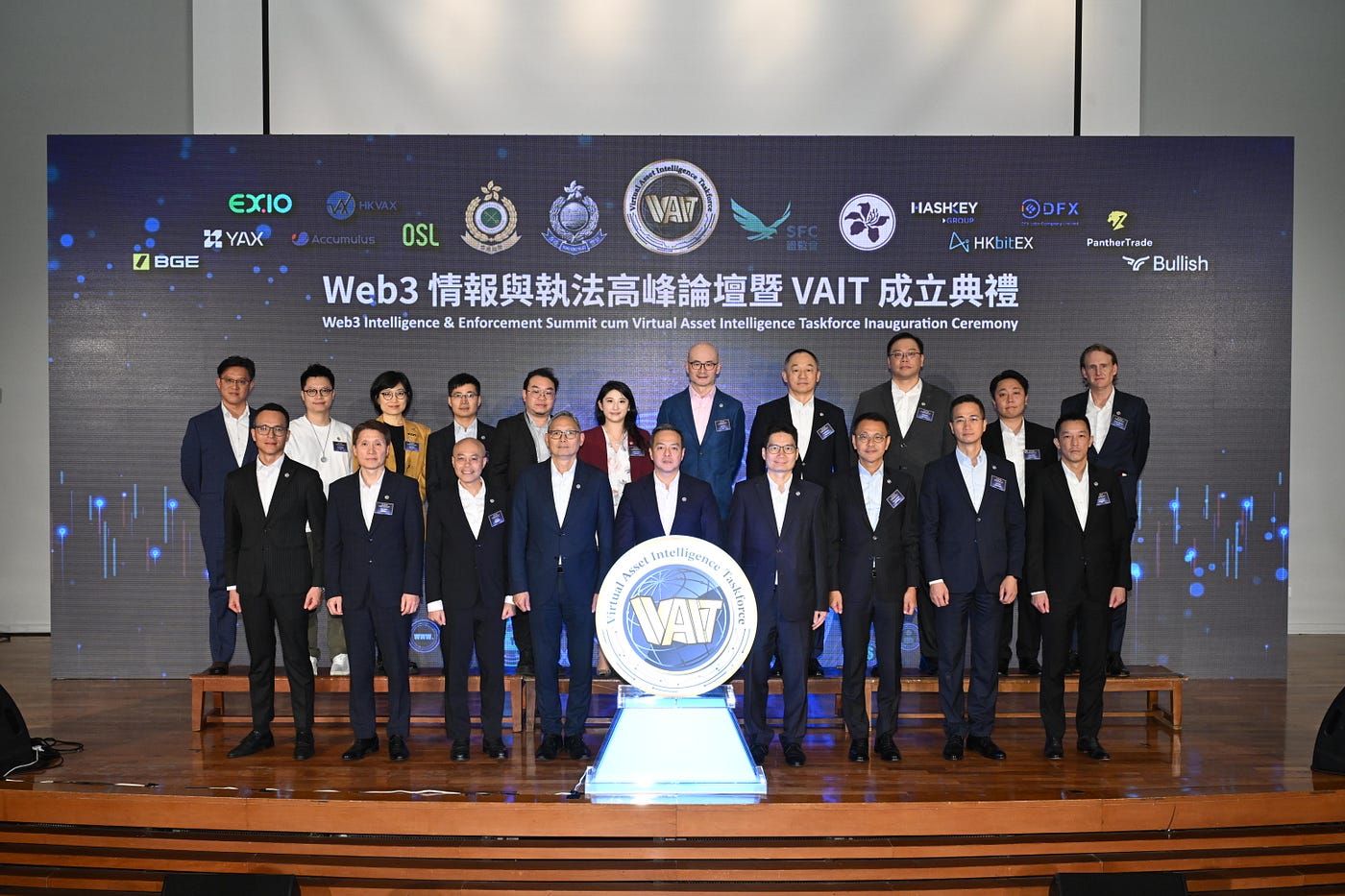
Led by the Hong Kong Police Force, the Virtual Asset Intelligence Team (VAIT) was established in collaboration with law enforcement agencies (including HKPF and C&ED), financial regulators (including HKMA and SFC), and licensed VASPs. Its goal is to foster cross-sector intelligence sharing and coordinated actions, enhance detection and prevention capabilities against virtual asset–related crimes and cybersecurity threats, and reinforce overall resilience in crime prevention and enforcement effectiveness.
In the operation of virtual asset funds, the source and flow of investors’ capital directly determine the level of compliance risk. With global regulations tightening, virtual asset fund service providers must not only ensure compliance at the KYC (Know Your Customer) level, but also extend scrutiny to KYW (Know Your Wallet) and SOT (Source of Token).

Recently, SlowMist’s independently developed blockchain anti-money laundering (AML) tracking system, MistTrack, was successfully selected for the Hong Kong Cyberport Blockchain & Digital Asset Pilot Subsidy Scheme. After undergoing rigorous review by both the vetting team and advisory panel, MistTrack was approved. We are deeply honored and sincerely grateful to Cyberport for recognizing the innovation and practical value of MistTrack.
The Digital Asset Anti-Money Laundering Council (DAAMC), a groundbreaking, industry-led nonprofit organization supported by the Hong Kong Virtual Assets Industry Association (HKVAIA), proudly announces its launch. DAAMC is dedicated to promoting compliant stablecoin issuance and enhancing financial integrity in Hong Kong’s digital asset ecosystem through collaboration among regulated financial institutions to develop and promote best-in-class Anti-Money Laundering and Counter-Financing of Terrorism (AML/CFT) standards and practices.
These documents constitute the core regulatory components for implementing Hong Kong’s stablecoin framework: not only including summary explanations related to licensing applications and transitional arrangements, but also two sets of core AML/CFT frameworks whose content directly concerns whether stablecoin issuers can establish compliant, controllable, and sustainable business frameworks. They also reflect HKMA’s systematic response to money laundering and terrorist financing risks, which is the focus of this interpretation.
Since its founding in 2018, SlowMist has remained dedicated to strengthening the security of the blockchain ecosystem. Backed by over a decade of hands-on cybersecurity experience, SlowMist has grown into one of the world’s leading blockchain security firms. Its services span smart contract auditing, threat intelligence, security monitoring, defense deployment, and security consulting, with clients including top industry players such as OKX, Binance, HashKey, and OSL.
Due to space constraints, this article only outlines the key findings from the full analysis report. The complete report can be downloaded from the link below: https://www.slowmist.com/report/SlowMist-first-half-of-the-2025-report(EN).pdf

As global efforts to crack down on online scams, underground payment networks, and illicit cross-border money laundering intensify, a platform called HuionePay has come under close regulatory scrutiny. The platform is suspected of being used to receive, transfer, and cash out illicit funds, particularly through frequent on-chain operations involving USDT on the TRON blockchain.
On March 6, 2025, Tether froze $28 million worth of USDT associated with the Russian-sanctioned exchange Garantex, once again sparking widespread market concerns about the risks of stablecoin freezes. This article explores Garantex’s sanction history, platform fund management strategies, and responses to stablecoin freezes, offering insights on mitigating on-chain compliance risks and ensuring fund security.
Due to space constraints, this article lists only the key points from the analysis report. The full content can be downloaded as a PDF at the end of this article.
According to CoinMarketCap, the global cryptocurrency market cap reached approximately $2.34 trillion by June 30, 2024, highlighting robust growth. However, this development comes with increasingly severe blockchain security challenges. As blockchain applications expand, attackers have become more sophisticated, exploiting system vulnerabilities and causing significant losses.
On March 7, 2024, the United Nations Security Council’s Sanctions Committee released a report detailing North Korea’s activities throughout 2023. Spanning 615 pages, the report cites the analytical findings from the SlowMist AML (Anti-Money Laundering) team regarding incidents such as the Harmony Bridge, Atomic Wallet, Alphapo, CoinsPaid, and Poloniex attacks.
Background
On January 16, 2024, a blogger on a Chinese social media platform revealed that the Myanmar Alliance Army is allegedly forcing telecommunications fraud industry practitioners stranded in Myanmar to pay substantial amounts in cryptocurrency. The blogger also showcased a cryptocurrency address claimed to be used for receiving these payments. This revelation has since gained widespread attention online.
Preface: SlowMist has released the 2023 Blockchain Security and Anti-Money Laundering Annual Report. We hope that this report provides readers with valuable information, assisting professionals and users in gaining a more comprehensive understanding of the current state of blockchain security and solutions. We aim to contribute to the security of the blockchain ecosystem through this effort.
This report delves into blockchain ecosystem security, summarizing key security incidents and funds recovery status in the first half of 2023. It aims to help readers identify suspicious transaction patterns and behaviors by analyzing typical cases, and explore the anti-money laundering landscape within the blockchain ecosystem.

This report takes a close look at the major events in the blockchain industry that took place in 2022. It provides an overview of the security status of each area within the industry and delves into common attack techniques. Additionally, it uncovers a few phishing techniques and analyzes the flow of stolen funds in some security incidents. To round things off, the report introduces an advanced method for tracking coin mixer funds through a comprehensive analysis.
We recently released the “2022 Mid-Year Blockchain Security and AML Analysis Report”. We’ll be breaking down this report into four section for the convenience of our readers.

A professional, real-time, and configurable AML engine designed for compliance teams at large institutions

Copyright © SlowMist KYT All Rights Reserved.